M&A, tax planning

15 May 2025

Tax Complications of an Earnout: How Earnouts Trigger Tax Considerations in M&A Deals

An earnout is a contractual mechanism in acquisitions that provide for contingent additional payments from the buyer of the company to the seller’s shareholders. Earnouts are usually received if the business that is acquired meets certain financial or other milestones after the acquisition is closed.

Read more >

M&A, tax planning

24 Apr 2025

The Critical Role of Tax Treatment and Structuring in International M&A

There can be additional complexities involved in cross-border acquisitions. It is important to understand the tax treatment in each country in order to ensure the acquiror and target receive the desired result. Techniques for acquisitions in one country can be different than in the other and the resulting tax implications can be significant even if unintended.

Read more >

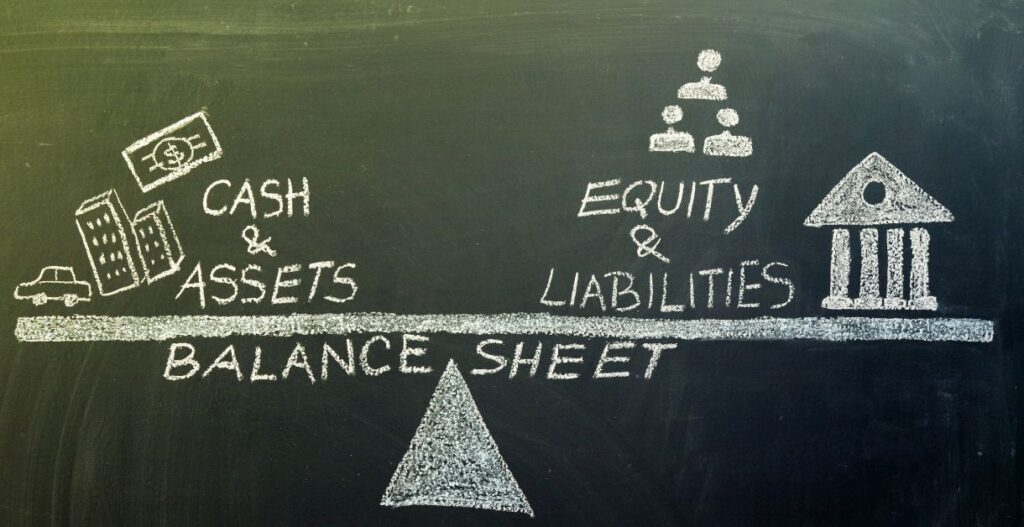
A chalk drawing of a balance scale on a chalkboard. One side shows Cash & Assets with icons of money, a building, and a car. The other side shows Equity & Liabilities with icons representing people and a bank. The label below reads Balance Sheet.

Accounting, tax planning

26 Mar 2025

How Assets are Reported on the Balance Sheet

The information found on a company’s balance sheet is among the most important information for a business leader, regulator, or potential investor to understand. Without this knowledge, it can be challenging to know whether a company is struggling or thriving

Read more >

Accounting, tax planning

12 Mar 2025

The Balance Sheet: A Key Financial Statement

Whether you are a business owner, employee, or investor, understanding how to read and understand the information on a balance sheet is an essential financial accounting skill.

Read more >

Balance sheet report with calculator; document is mock-up

Accounting, tax planning

6 Mar 2025

Typical Types of Accruals on the Balance Sheet 

The revenues that a company has not yet received payment for and expenses that companies have not yet paid are called accruals. There are four types of accruals that are typically recorded on the balance when the company follows the accrual method of accounting.

Read more >

Accounting, tax planning

13 Feb 2025

Accrual Method of Accounting

Accrual basis accounting is a method of accounting that records transactions when they occur, not when cash is received or paid out. The accrual method of accounting is used to recognize revenue and expenses in the fiscal year they are earned or incurred.

Read more >

Accounting, tax planning

6 Feb 2025

Cash Method of Accounting

Cash basis accounting is a method of accounting that records income when cash is received and expenses when they are paid. It is also known as the cash method of accounting. The cash basis of accounting is usually followed by individuals and small companies.

Read more >

Accounting, tax planning

5 Dec 2024

Follow the Cash Flows of the Acquisition to Understand the True Return to the Sellers

Cross-border acquisitions usually have additional complexities as the laws of more than one country must be planned for and coordinated.  Typical acquisition planning in one country may be different than in another country.  A structure that is common in one country may significantly change the deal for an acquiror or target in another country.

Read more >

Accounting, tax planning

24 Oct 2024

Strategic Coordination of Accounting and Tax for the Family Office and Dynasty Trust

The typical family office has a sophisticated tax structure that must blend income tax planning with estate tax planning. The structure typically involves a number of business entities that will include owners involving individuals and one or more dynasty trusts for efficient estate and gift tax planning.

Read more >

Accounting, tax planning

12 Mar 2025

The Balance Sheet: A Key Financial Statement

Whether you are a business owner, employee, or investor, understanding how to read and understand the information on a balance sheet is an essential financial accounting skill.

Read more >

Balance sheet report with calculator; document is mock-up

Accounting, tax planning

6 Mar 2025

Typical Types of Accruals on the Balance Sheet 

The revenues that a company has not yet received payment for and expenses that companies have not yet paid are called accruals. There are four types of accruals that are typically recorded on the balance when the company follows the accrual method of accounting.

Read more >

Accounting, tax planning

13 Feb 2025

Accrual Method of Accounting

Accrual basis accounting is a method of accounting that records transactions when they occur, not when cash is received or paid out. The accrual method of accounting is used to recognize revenue and expenses in the fiscal year they are earned or incurred.

Read more >

Accounting, tax planning

6 Feb 2025

Cash Method of Accounting

Cash basis accounting is a method of accounting that records income when cash is received and expenses when they are paid. It is also known as the cash method of accounting. The cash basis of accounting is usually followed by individuals and small companies.

Read more >

Accounting, tax planning

5 Dec 2024

Follow the Cash Flows of the Acquisition to Understand the True Return to the Sellers

Cross-border acquisitions usually have additional complexities as the laws of more than one country must be planned for and coordinated.  Typical acquisition planning in one country may be different than in another country.  A structure that is common in one country may significantly change the deal for an acquiror or target in another country.

Read more >

Accounting, tax planning

24 Oct 2024

Strategic Coordination of Accounting and Tax for the Family Office and Dynasty Trust

The typical family office has a sophisticated tax structure that must blend income tax planning with estate tax planning. The structure typically involves a number of business entities that will include owners involving individuals and one or more dynasty trusts for efficient estate and gift tax planning.

Read more >

C-Corporation, M&A, tax planning

31 Jul 2025

Selling a Business: Plan Carefully for Assumed Liabilities and Deferred Compensation

In determining the sales price in an acquisition, the seller must determine how assumed liabilities will be treated and either adjust the sales price accordingly or plan to allow the deduction to occur prior to sale.

Read more >

tax filing, tax planning

10 Jul 2025

Taxpayer Can’t Use 2020 Crypto Losses to Offset Prior-Year Gains | Kim v. Commissioner

Virtual currencies can have large swings in values from year to year. Where large gains are recognized in one year that are then followed by large losses in a following year, under the annual accounting principle and the Internal Revenue Code the Taxpayer cannot use a capital loss in a future tax year to offset capital gains in a previous tax year.

Read more >

Accounting, Bookkeeping

19 Jun 2025

How Liabilities Affect Business Health: What Small and Midsize Companies Need to Know

Understanding liabilities on a balance sheet is crucial because it provides a clear picture of a company’s financial obligations, revealing its debt levels, solvency, and overall financial health. This allows stakeholders like executives and directors, investors, and creditors to assess the company’s ability to meet its short-term and long-term financial commitments and make informed decisions about its financial stability.

Read more >

Business Tax Planning, C-Corporation, tax planning

11 Jun 2025

Avoiding Dividend Reclassification: Key Tax Takeaways for Closely Held C-Corporations | Clary Hood, Inc. v. Commissioner, 69 F.4th 168 (4th Circuit)

This case highlights the need for C corporations to have a dividend policy and history. It also highlights the need to carefully consider the compensation paid each year to the shareholder-employee of a closely held corporation to have better support of reasonable compensation in order to avoid the recharacterization of deductible compensation to nondeductible dividend distributions. It would likely have been tax advantageous for the Taxpayer to be an S corporation.

Read more >

M&A, tax planning

15 May 2025

Tax Complications of an Earnout: How Earnouts Trigger Tax Considerations in M&A Deals

An earnout is a contractual mechanism in acquisitions that provide for contingent additional payments from the buyer of the company to the seller’s shareholders. Earnouts are usually received if the business that is acquired meets certain financial or other milestones after the acquisition is closed.

Read more >

Get regular Key Service Insights newsletters, as well as other important updates, sent to your inbox.